Roofing contractor in New Orleans, built for what this city does to a roof
Sixty-three inches of rain a year, a summer that sits near 110°F, hurricane wind from June to November, and Formosan termites in the framing. A roof here is not the same product it is anywhere else, and we do not spec it as though it were.
- Licensed & insured in Louisiana
- All of Orleans Parish, no travel surcharge
- Written scope before work starts
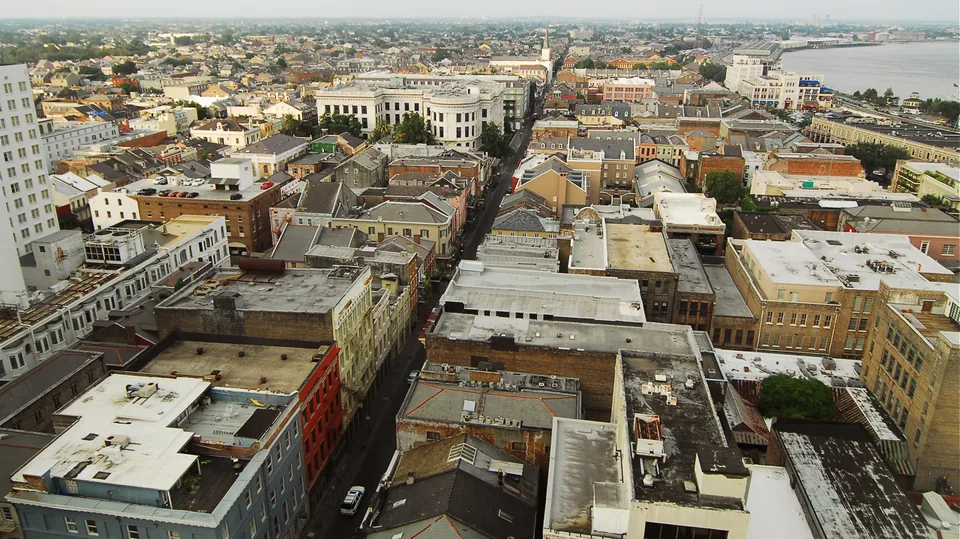
Seven services, each with its own page for your neighborhood
Every service below has a dedicated page for all 24 New Orleans neighborhoods we cover — built on that area’s real building stock, not a template with the name swapped.
Roof Replacement
A full tear-off and new roof system, specified for Gulf Coast wind and rain rather than a national catalogue default.
See Replacement → 02Roof Repair
Find what actually failed, price the fix honestly, and say plainly when a repair is not the right answer.
See Repair → 03Roof Leak Repair
Water rarely enters above the stain. We trace from the roof down to the real source before anything is patched.
See Leak Repair → 04Emergency Roof Repair
Active water coming in now. Make safe first, dry in properly, then diagnose in daylight.
See Emergency → 05Storm Damage Roof Repair
Wind damage documented properly for a Louisiana claim, then repaired. The paperwork matters as much as the work.
See Storm Damage → 06Roof Installation
New roof surface on new or changed structure -- tied into existing work without voiding the warranty on what you are keeping.
See Installation → 07Slate & Tile Roof Restoration
Slate and clay tile repaired and matched to historic-district standards -- not stripped and swapped for something modern.
See Slate & Tile →REQUEST A QUOTE
Tell us what you need
Complete the form and describe the work you need help with.
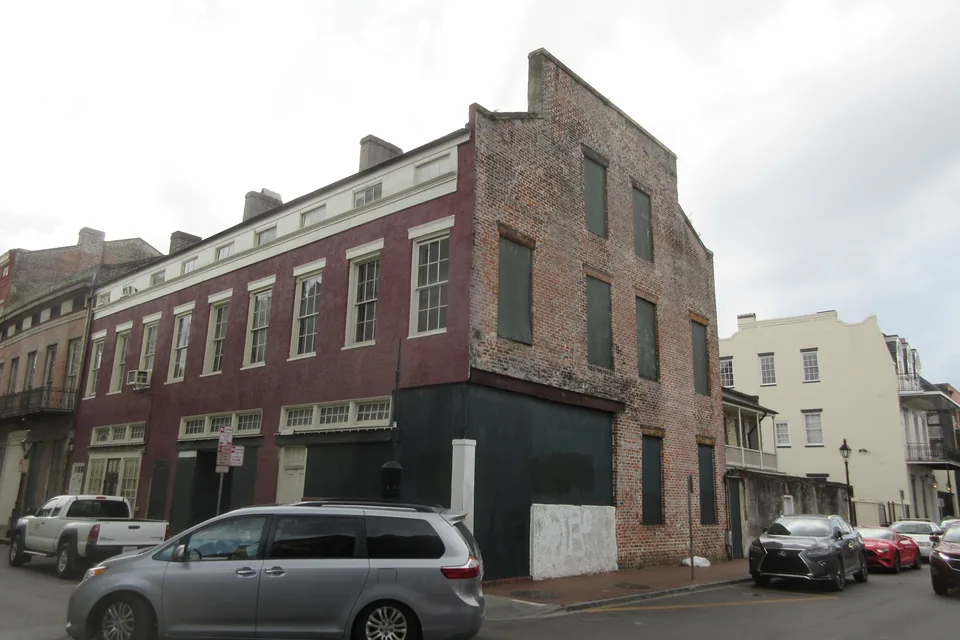
The same roof fails differently here
New Orleans building stock runs from 1788 Creole townhouses behind Vieux Carré review to elevated post-Katrina rebuilds engineered for 160 mph wind — sometimes within a mile of each other. A contractor working from one national playbook will get one of those wrong.
- Wind, not hail. Uplift breaks seals, starts ridge and rake courses, pulls flashing open, then drives rain underneath.
- Humidity and UV. Constant damp grows algae and lichen; UV dries the binder until shingle cracks and curls early.
- Termites in the framing. Formosans colonize roof structure here. The deck is not a formality to check.
- Three historic commissions. HDLC, CBD HDLC and the VCC each review separately, and each adds time before a permit issues.
Four roof systems, four different answers
New Orleans runs all four, often on the same street. The right one depends on what is there now, what the building is, and whether it sits in a historic district.
Natural slate
75–150 yearsThe default on Garden District and Uptown houses of a certain standing. Individual slates are replaceable, so a slate roof is rarely a tear-off candidate — usually it is the copper beneath that has gone.
Clay tile
50–100 yearsCommon on Creole and Spanish-influenced stock in and around the Quarter. Tiles slip rather than fail, and matching a discontinued profile is the real work.
Architectural shingle
20–30 yearsThe default on everything built or rebuilt since the mid-century, and on most post-2005 stock. Gulf UV and humidity mean the top of that range needs a good specification and real ventilation.
Low-slope membrane
15–30 yearsModified bitumen or single-ply on flat and near-flat sections — CBD commercial roofs, and the rear service wings hiding behind pitched fronts all over the historic core.
What actually moves the price
- Deck condition. What is under the covering decides more of the cost than the covering itself. In this city that includes termite damage to rafters and decking, which is not a rare finding.
- Tear-off layers. Re-covering without tearing off is common here. Every additional layer is disposal weight and labor.
- Historic review. HDLC, CBD HDLC or VCC jurisdiction constrains materials and adds review time before a permit is issued.
- Roof geometry. Valleys, dormers, hips and porch tie-ins cost more per square than open field, and Uptown Victorians have plenty of all four.
- Wind specification. Enhanced perimeter fixing and FORTIFIED-standard detailing cost more up front and are the reason a roof survives a named storm.
A re-roofing permit is required in Orleans Parish — and three different commissions may review it
Residential re-roofing permits are applied for through the Department of Safety and Permits. Properties inside a historic district require additional review time before the permit is issued.
In Louisiana, the roof is the insurance conversation
Roof age drives three things at renewal: how a loss is paid, what your wind and hail deductible looks like, and whether the carrier wants an inspection before they renew you at all. In high-wind ZIP codes that inspection request is routine now.
Building to the FORTIFIED standard is the documented answer to that pressure, and Louisiana has put real money behind it. We build to the standard and hand you the documentation either way — a permit, a code inspection, a wind-mitigation survey and a FORTIFIED designation are related but they are not interchangeable, and knowing which one you actually have matters.
Program details and eligibility are set by the State and the City, not by us. We will not tell you that you qualify for a grant or promise a premium reduction — that is between you, the program and your carrier.
The part of a New Orleans roof nobody photographs: what the Formosans have done to the framing
Greater New Orleans spends an estimated $300 million a year on Formosan termite control and the repairs that follow. Formosan subterranean termites are specifically known to colonize roof framing, and colonies reach into the millions. Any roofer working this city who does not open up a suspect deck and look is not doing the job.
Where we find this, we say so and we stop. Structural damage of this kind needs an entomologist and, where load-bearing members are involved, a structural engineer — alongside the roofer, not instead of one. Laying a new covering over compromised framing hides a structural problem under a twenty-year warranty, and we will not do it.
The season, and what it asks of a roof
Gulf Coast roof failure is a wind story, not a hail story. The damage that matters is uplift — seals broken, edges lifted, water driven under what is left.
The window for finding lifted edges, tired flashing and loose ridge caps while there is still time to fix them calmly and at a normal price.
Peak season. Demand spikes, good crews book out, and the roofs that get attention first are the ones already on somebody’s list.
Nobody credible puts a crew on a roof while it is still blowing. We take the call, log the address, and move the moment conditions allow.
Make safe, dry in, document for the claim, then diagnose properly in daylight. In that order, and not all in one visit.
Four stages, no surprises
Inspection
Someone goes onto the roof. Not a drive-by, not a satellite image — the covering, the flashing, the valleys and the deck condition, looked at directly.
Diagnosis
What has failed and why, traced to the actual entry point rather than the spot where water shows up inside.
Written scope
What we found, what we propose, and what it costs, in writing with photographs. No number quoted cold over the phone.
The work
Carried out to the agreed scope, dried in each day, site cleared, and documented for your records and your insurer.
All 24 neighborhoods, both banks of the river
Each links to that neighborhood’s own roof repair page. Every service has its own version of these.
Roofing in New Orleans — straight answers
Do I need a permit to re-roof a house in New Orleans?
Yes. Residential re-roofing permits go through the Department of Safety and Permits, and properties inside a historic district need additional review time before the permit is issued. Which commission reviews it depends on where you are: the HDLC for most local historic districts, a separate commission for the CBD, and the Vieux Carré Commission for the French Quarter.
How long should a roof last in this climate?
Less than the box says, because the box is not written for the Gulf South. Around 63 inches of rain a year, a summer heat index that sits near 110°F, extreme humidity and hurricane-season wind all shorten service life. Architectural shingle that might run 30 years elsewhere is realistically a 20 to 25 year roof here with good ventilation and honest maintenance.
Is my storm damage hail damage?
Almost certainly not. Gulf Coast roof damage is a wind story — uplift that breaks seal strips, starts ridge and rake courses and pulls flashing open, then lets wind-driven rain underneath. Most of it is invisible from the street, which is why it gets missed and why claims get underpaid.
Can termites really damage my roof?
In New Orleans, yes, and it is not unusual. Formosan subterranean termites are specifically known to colonize roof framing, and greater New Orleans spends an estimated $300 million a year on control and repair. Hollow-sounding rafters, frass and mud tubes in a roof space are findings we act on rather than cover over.
What is a FORTIFIED roof and does it matter?
It is a construction standard built around wind resistance, and in Louisiana it has become the documented answer to insurance pressure. The State runs a Fortify Homes grant program, the City has run an owner-occupied fortified roof program, and Regulation 136 requires insurers to implement FORTIFIED discount benchmarks by 1 January 2027. Whether you qualify for anything is between you, the program and your carrier — we build to the standard and give you the documentation.
Do you cover the West Bank?
Yes. Algiers Point and the West Bank are part of the core service area on the same terms as the east bank — same crews, same rates, no travel surcharge anywhere inside Orleans Parish.
Get the roof looked at properly
An inspection and a written scope for any building in New Orleans. Call and we will get someone on the roof.