Emergency Roof Repair in Tremé, New Orleans
One of the oldest African American neighborhoods in the United States, immediately behind the Quarter. Creole cottages and shotguns of real historic significance, and roofs that have to be treated accordingly.
- Historic district coverage
- Creole cottage and shotgun stock
- Louis Armstrong Park & St. Augustine
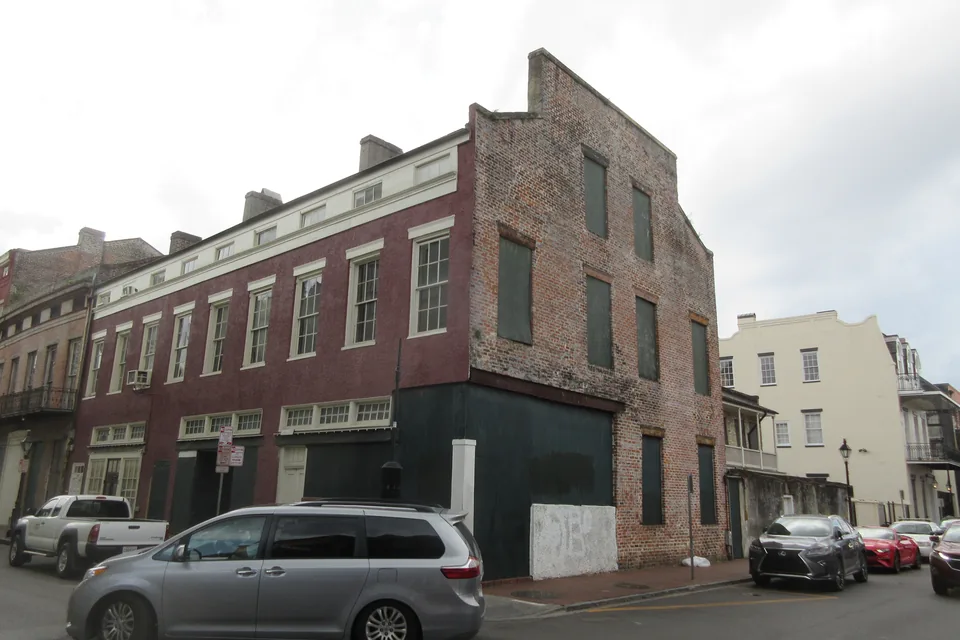
Tremé building stock, and what it means for a roof
Tremé — formally Tremé/Lafitte in the City Planning Commission’s districts — sits directly behind the Quarter across Rampart Street and is among the oldest African American neighborhoods in the country, with a building history running from the 1810s. St. Augustine Church, founded in 1841, anchors it. The housing is predominantly Creole cottages and shotguns, and a significant share of it is individually as well as district-designated.
That significance is the operative fact for roofing. Work on a designated building is a preservation act whether or not the owner thinks of it that way, and material choices that would pass without comment elsewhere are not appropriate here. Slate and tile get repaired and matched rather than swapped for something modern, and standing seam metal is generally not an accepted substitute in a local historic district.
Why Tremé roofs fail the way they do
Three things we see repeatedly on this stock — not a generic list, and not the same three as the next neighborhood over.
Soft historic mortar
Chimneys and parapets on early brick have soft lime mortar. Flashing fixed into failing mortar lets go, and the leak reads as a roof fault.
Two centuries of alteration
Buildings this old carry additions and changes. The junctions between original and later structure are where water gets in.
Deferred maintenance load
Long-deferred small repairs compound on historic stock until the deck rather than the covering becomes the question.
Do this while you wait for us
Five things that limit the damage. None of them involve going onto the roof — in a storm, in the dark, on a wet New Orleans roof, that is how people get hurt.
- Move what matters out of the way. Electronics, documents, anything soft. Water spreads along a ceiling far wider than the visible drip.
- Put a container under it and a towel in the container. The towel stops the splash-back that spreads the damage sideways.
- If the ceiling is bulging, pierce it deliberately. A small hole at the low point drains it into your bucket. A bulging ceiling that lets go on its own takes the whole sheet with it.
- Kill power to the affected area at the board if water is anywhere near a light fitting, a fan or a socket.
- Photograph everything before you clean up. Time-stamped photos of the water while it is still coming in are worth a great deal in a Louisiana claim.
When we cover
Hurricane season runs June through November and does not respect a schedule. Overnight, weekends and holidays are covered. During a named storm we do not put crews on roofs while it is still blowing — nobody credible does — but we take the call, log you, and we are moving as soon as it is survivable.
An honest word about tarping
A tarp is a stop-gap, not a repair. Fitted properly it buys weeks and stops the inside getting worse; it does not fix anything and it should never be sold to you as though it does. We tarp to make a building safe and dry, then come back in daylight and diagnose the roof properly.
The season, and what it asks of a roof
Gulf Coast roof failure is a wind story, not a hail story. The damage that matters is uplift — seals broken, edges lifted, water driven under what is left.
The window for finding lifted edges, tired flashing and loose ridge caps while there is still time to fix them calmly and at a normal price.
Peak season. Demand spikes, good crews book out, and the roofs that get attention first are the ones already on somebody’s list.
Nobody credible puts a crew on a roof while it is still blowing. We take the call, log the address, and move the moment conditions allow.
Make safe, dry in, document for the claim, then diagnose properly in daylight. In that order, and not all in one visit.
Four stages, no surprises
Call
A person answers and logs the address, the situation and whether anyone is at risk. Any hour, through the season.
Make safe
Power risk, ceiling risk and occupancy dealt with first. The building is made safe before the roof is touched.
Dry in
The opening closed properly so nothing more gets in tonight — honestly labeled as a stop-gap, not a repair.
Diagnose in daylight
We come back and find out what actually failed, then quote the real repair in writing.
Working around Louis Armstrong Park, St. Augustine Church, Basìn Street and the surrounding streets. If your address is in Tremé, it is in the service area — there is no travel surcharge anywhere inside Orleans Parish.
Emergency Roof Repair near Tremé
Everything else we do in Tremé
Emergency Roof Repair in Tremé — straight answers
Do you actually answer at night during storm season?
Yes. Hurricane season runs June through November and does not keep office hours. A person takes the call, logs the address and the situation, and tells you honestly when a crew can be with you.
Will you come out during the storm itself?
Not while it is still blowing. Nobody credible puts a crew on a roof in those conditions, and any contractor who promises otherwise is either lying or dangerous. We take the call, log you, and move as soon as it is survivable.
Is a tarp a repair?
No, and we will not sell it to you as one. A properly fitted tarp stops the inside getting worse and buys you weeks. The actual repair gets diagnosed in daylight and quoted separately, in writing.
My house is historically significant — will you use matching materials?
Yes, and on a designated building in a local historic district it is not really optional. Slate gets matched on color, size and thickness; tile gets sourced to match rather than substituted; and where a modern material is genuinely permitted it has to match in material and color to pass review. We establish what your building’s designation actually requires before we specify anything.
Emergency Roof Repair in Tremé?
Call and we will get someone on the roof, then put what we find in writing.