Roof Installation in Central Business District, New Orleans
Low-slope commercial roofs — modified bitumen and single-ply membrane over occupied floors, where a leak is a tenant problem before it is a building problem. The CBD has its own landmarks commission, separate from both the HDLC and the VCC.
- CBD Historic District Landmarks Commission
- Low-slope membrane and mod-bit
- Night and weekend staging available
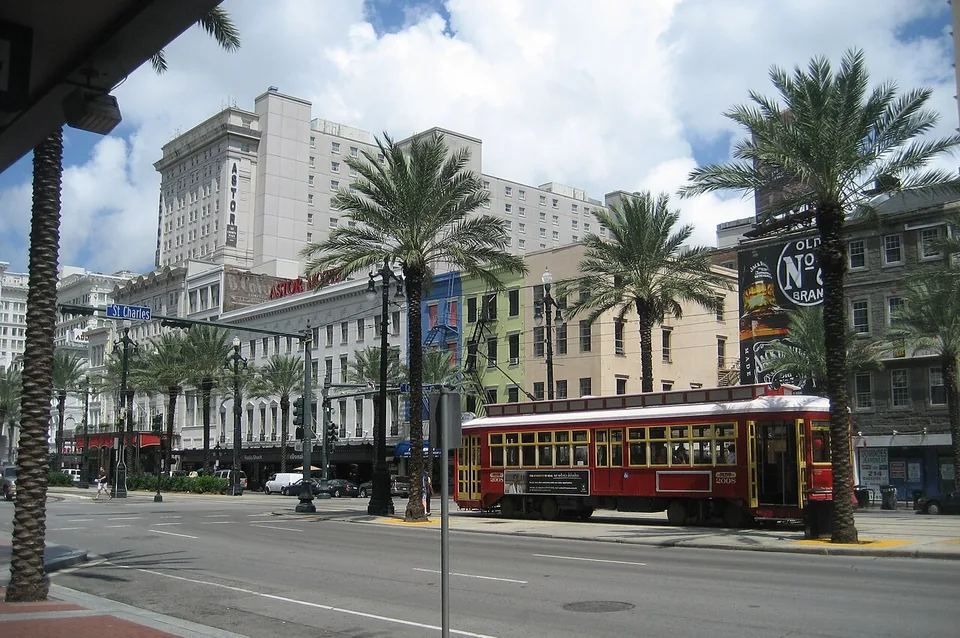
Central Business District building stock, and what it means for a roof
The CBD runs from Canal Street to the Pontchartrain Expressway — warehouses converted to residential, purpose-built office towers, hotels, and ground-floor retail underneath all of it. Almost every roof here is low-slope: modified bitumen, or a single-ply membrane on the newer and re-covered stock.
The commercial reality shapes the work more than the architecture does. There are tenants, leases and trading hours under these roofs, so access, staging and noise windows get agreed before anything starts. The district also falls under the Central Business District Historic District Landmarks Commission — a distinct body from the HDLC that governs the residential districts, which catches out contractors who assume one commission covers the whole city.
Why CBD roofs fail the way they do
Three things we see repeatedly on this stock — not a generic list, and not the same three as the next neighborhood over.
Ponding at settled drains
A drain that has settled even slightly holds standing water after the rainfall this city gets, and the membrane around it ages fastest.
Mechanical penetrations
HVAC curbs, vents and conduit are the most common entry points on a commercial roof, and there are far more of them here than on a house.
Re-covered layers hiding the deck
Older CBD buildings have been re-covered repeatedly without tear-off. More layers means more weight and a much harder diagnosis.
Tying new roof into old without causing a problem
Installation is not replacement. The roof has not failed — the building is changing. Different buyer, different risk, different sequence.
- Warranty continuity. Cutting new work into an existing membrane can void the warranty on the part you are keeping. That gets established before anything is opened up, not after.
- Elevation work. Raising a house above base flood elevation lifts it into faster wind. A specification that suited it at grade may not suit it eight feet up.
- Additions and pop-tops. New roof volume meeting an old roof creates junctions that did not exist before. Those tie-ins are where a new-build roof leaks first.
- Rooftop decks and galleries. Traffic-rated assemblies over occupied space are a different system from a roof nobody walks on, and the drainage has to be designed rather than assumed.
- Historic-district infill. New construction inside an HDLC or VCC district is reviewed on how it reads against its neighbors, roof included.
- GC sequencing. Dry-in timing drives everybody else on site. We schedule against the trades that follow us, not in isolation.
Replacement is a different job
If the roof you have has failed and you are replacing like for like, that is a replacement, and it runs differently — different survey, different cost drivers, different conversation about tear-off and decking. See roof replacement instead, and if you land on the wrong one, say so on the call and we will point you at the right one rather than quoting you for the wrong job.
A re-roofing permit is required in Orleans Parish — and three different commissions may review it
Residential re-roofing permits are applied for through the Department of Safety and Permits. Properties inside a historic district require additional review time before the permit is issued.
Four stages, no surprises
Inspection
Someone goes onto the roof. Not a drive-by, not a satellite image — the covering, the flashing, the valleys and the deck condition, looked at directly.
Diagnosis
What has failed and why, traced to the actual entry point rather than the spot where water shows up inside.
Written scope
What we found, what we propose, and what it costs, in writing with photographs. No number quoted cold over the phone.
The work
Carried out to the agreed scope, dried in each day, site cleared, and documented for your records and your insurer.
Working around The Shops at Canal Place, Outlet Collection at Riverwalk, Canal Street and the surrounding streets. If your address is in Central Business District, it is in the service area — there is no travel surcharge anywhere inside Orleans Parish.
Roof Installation near Central Business District
Everything else we do in Central Business District
Roof Installation in Central Business District — straight answers
We are working with an architect and a GC — can you coordinate?
That is the normal arrangement on installation work. Dry-in timing drives the trades that follow us, so we schedule against the program rather than in isolation, and we talk to whoever is running the job.
Will new work void the warranty on the existing roof?
It can, which is why it gets established before anything is opened up. Cutting new work into an existing membrane without checking the warranty terms is a common and expensive mistake on additions and rooftop decks.
We are elevating the house — does that change the roof?
It can change the specification. Raising a building above base flood elevation also lifts it into faster wind, and an assembly that was adequate at grade may need enhanced fixing once it is up. This matters most in Lakeview, Gentilly and the Lower Ninth.
Can you work on a CBD building without shutting the tenants down?
Usually yes. Low-slope work is staged section by section, and loud or disruptive phases can be scheduled outside trading hours. What we will not do is leave an occupied building open overnight — each day’s work is dried in before the crew leaves, which matters when the forecast here can turn inside an afternoon.
Roof Installation in Central Business District?
Call and we will get someone on the roof, then put what we find in writing.