Roof Replacement in Lakeshore / Lake Vista, New Orleans
Mid-century houses on the lakefront itself, taking wind straight off Lake Pontchartrain with nothing in front of them. The most exposed residential roofs in the city.
- Direct Lake Pontchartrain exposure
- Mid-century and rebuilt stock
- Highest wind load in the city
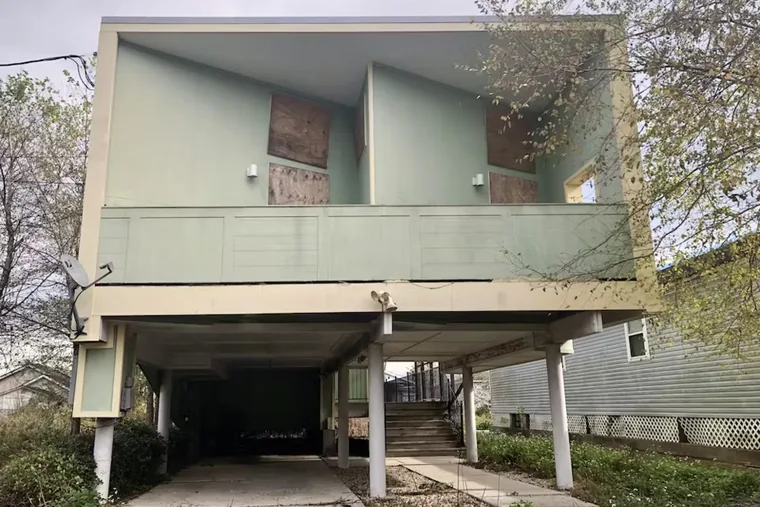
Lakeshore / Lake Vista building stock, and what it means for a roof
Lakeshore and Lake Vista were developed from the 1930s onward on land reclaimed along the lakefront, laid out with the curving streets and generous lots of mid-century planning. Much of the housing is low, wide and single-story, and much of it was rebuilt or substantially repaired after 2005.
What defines roofing here is exposure. These houses face Lake Pontchartrain across the seawall with no built-up area in front of them to break the wind, so they take the full load in a named storm. Wide, low-pitched roofs in that position are uplift-sensitive at every edge, and a specification that is perfectly adequate three miles inland is not adequate here.
Why lakefront roofs fail the way they do
Three things we see repeatedly on this stock — not a generic list, and not the same three as the next neighborhood over.
Edge and rake uplift
Unobstructed wind gets under the covering at the edge first. Perimeter fixing density matters more here than anywhere else in the city.
Low-pitch wind-driven rain
Shallow pitches on an exposed site let driven rain track back up under the courses against the slope.
Salt-laden air on fixings
Lake air corrodes fasteners and flashings faster than inland conditions, particularly where dissimilar metals meet.
Four roof systems, four different answers
New Orleans runs all four, often on the same street. The right one depends on what is there now, what the building is, and whether it sits in a historic district.
Natural slate
75–150 yearsThe default on Garden District and Uptown houses of a certain standing. Individual slates are replaceable, so a slate roof is rarely a tear-off candidate — usually it is the copper beneath that has gone.
Clay tile
50–100 yearsCommon on Creole and Spanish-influenced stock in and around the Quarter. Tiles slip rather than fail, and matching a discontinued profile is the real work.
Architectural shingle
20–30 yearsThe default on everything built or rebuilt since the mid-century, and on most post-2005 stock. Gulf UV and humidity mean the top of that range needs a good specification and real ventilation.
Low-slope membrane
15–30 yearsModified bitumen or single-ply on flat and near-flat sections — CBD commercial roofs, and the rear service wings hiding behind pitched fronts all over the historic core.
What actually moves the price
- Deck condition. What is under the covering decides more of the cost than the covering itself. In this city that includes termite damage to rafters and decking, which is not a rare finding.
- Tear-off layers. Re-covering without tearing off is common here. Every additional layer is disposal weight and labor.
- Historic review. HDLC, CBD HDLC or VCC jurisdiction constrains materials and adds review time before a permit is issued.
- Roof geometry. Valleys, dormers, hips and porch tie-ins cost more per square than open field, and Uptown Victorians have plenty of all four.
- Wind specification. Enhanced perimeter fixing and FORTIFIED-standard detailing cost more up front and are the reason a roof survives a named storm.
In Louisiana, the roof is the insurance conversation
Roof age drives three things at renewal: how a loss is paid, what your wind and hail deductible looks like, and whether the carrier wants an inspection before they renew you at all. In high-wind ZIP codes that inspection request is routine now.
Building to the FORTIFIED standard is the documented answer to that pressure, and Louisiana has put real money behind it. We build to the standard and hand you the documentation either way — a permit, a code inspection, a wind-mitigation survey and a FORTIFIED designation are related but they are not interchangeable, and knowing which one you actually have matters.
Program details and eligibility are set by the State and the City, not by us. We will not tell you that you qualify for a grant or promise a premium reduction — that is between you, the program and your carrier.
Four stages, no surprises
Inspection
Someone goes onto the roof. Not a drive-by, not a satellite image — the covering, the flashing, the valleys and the deck condition, looked at directly.
Diagnosis
What has failed and why, traced to the actual entry point rather than the spot where water shows up inside.
Written scope
What we found, what we propose, and what it costs, in writing with photographs. No number quoted cold over the phone.
The work
Carried out to the agreed scope, dried in each day, site cleared, and documented for your records and your insurer.
Working around Lake Pontchartrain, Lakeshore Drive, Lake Vista Park and the surrounding streets. If your address is in Lakeshore / Lake Vista, it is in the service area — there is no travel surcharge anywhere inside Orleans Parish.
Roof Replacement near Lakeshore / Lake Vista
Everything else we do in Lakeshore / Lake Vista
Roof Replacement in Lakeshore / Lake Vista — straight answers
Do I need a permit to replace my roof in New Orleans?
Yes. A residential re-roofing permit is applied for through the Department of Safety and Permits, and if the property sits inside an HDLC, CBD HDLC or Vieux Carré Commission district it needs additional review time before that permit is issued. We handle the application and build the review time into the schedule.
Will you re-cover over my existing roof instead of tearing off?
Not as a default, and usually not at all. Re-covering hides the decking, and in this city the decking is exactly what needs looking at — between storm damage, long-term humidity and Formosan termite activity in roof framing, a deck you cannot see is a deck you cannot vouch for.
How long does a full replacement take?
A straightforward shotgun or bungalow is usually a small number of days. A large Uptown or Audubon roof with complex geometry, or anything needing historic review before the permit issues, runs longer — and the review time is the part that varies most.
Does living on the lakefront change what roof I should have?
It changes the specification more than the material. The same shingle can be fixed to a standard pattern or to an enhanced uplift pattern, and on an exposed lakefront site the second is the sensible choice — tighter perimeter fixing, proper starter and ridge treatment, and attention to the edge metal. This is also where FORTIFIED standards earn their keep, because they are written around exactly this failure mode.
Roof Replacement in Lakeshore / Lake Vista?
Call and we will get someone on the roof, then put what we find in writing.